Unlocking the Power of Methylated Vitamins for Optimal Nutrient Absorption

When it comes to supplements, many people focus on the type of vitamin or mineral they take. But the form of these nutrients can be just as important. Methylated vitamins, especially methylated B12 and folate, are gaining attention for their potential to improve how well your body absorbs and uses these nutrients. But what does that really mean for your health and daily life? Let’s explore why methylated vitamins might make a difference and how they work in your body.
What Does Bioavailability Mean?
Bioavailability is a term used to describe how much of a nutrient your body can absorb, activate, and actually use. Just because a vitamin is in a pill or capsule does not guarantee your body can make full use of it.
Your body faces several challenges with nutrients:
Absorbing them efficiently through the digestive system
Converting them into their active, usable forms
Transporting them to the tissues where they are needed
Think of it like cooking: having raw ingredients is not enough. You need to prepare and cook them properly to enjoy a meal. Similarly, some vitamins require several conversion steps before your body can use them effectively.
What Are Methylated Vitamins?
Methylated vitamins are nutrients already in their active, ready-to-use forms. This means your body does not need to perform extra steps to convert them.
Two common methylated vitamins are:
Methylcobalamin: the active form of vitamin B12
5-MTHF (5-methyltetrahydrofolate): the active form of folate
These forms directly participate in important body functions such as:
DNA synthesis
Red blood cell formation
Nervous system health
Methylation pathways
By taking these active forms, your body can use the vitamins immediately, which may improve their effectiveness.
Why Methylation Matters Without the Complex Science
Methylation is a vital process your body uses every second. It helps regulate:
Gene expression
Detoxification
Neurotransmitter production
Hormone balance
Energy production
Your body relies on methylation to keep many systems running smoothly. To support this process, it needs nutrients in forms it can use right away. Methylated vitamins provide that support by entering these pathways without delay.
Who May Benefit Most from Methylated Vitamins?
Not everyone needs methylated vitamins, but certain groups may find them especially helpful:
People with genetic variations (like MTHFR mutations) that reduce their ability to convert folate and B12 into active forms
Individuals with digestive issues that impair nutrient absorption
Older adults who may have decreased ability to process vitamins
Those with higher nutrient needs due to stress, pregnancy, or chronic illness
For example, someone with an MTHFR gene variant might struggle to convert folic acid into 5-MTHF. Taking methylated folate bypasses this step, potentially improving folate status and related health outcomes.
How to Choose and Use Methylated Vitamins
If you decide to try methylated vitamins, keep these tips in mind:
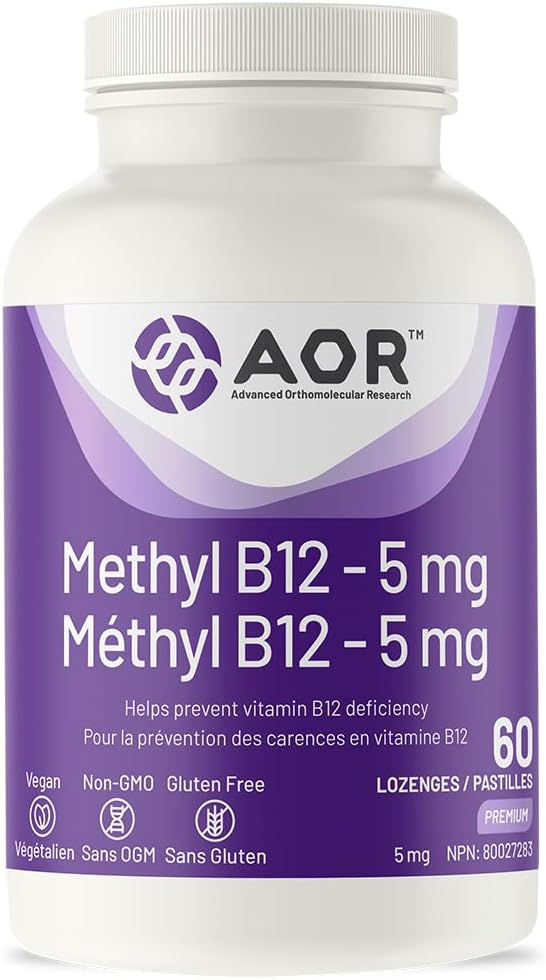
Look for methylcobalamin instead of cyanocobalamin for B12 supplements

Choose 5-MTHF or methylfolate instead of folic acid

Look for a multivitamin that incorporates several bioavailable forms of key vitamins (Bird & Be is AMAZING)
Remember, methylated vitamins are not a cure-all but can be a useful tool to improve nutrient absorption and support your body's natural processes.
Practical Benefits You May Notice
People who switch to methylated vitamins often report:
Increased energy levels
Improved mood and mental clarity
Better support for pregnancy and fetal development
Enhanced detoxification and overall wellness
While individual results vary, these benefits align with the roles methylated vitamins play in the body.
Final Thoughts on Methylated Vitamins
Choosing the right form of vitamins can make a real difference in how well your body uses them. Methylated vitamins offer a way to bypass some common barriers to nutrient absorption and activation. For people with certain genetic or health challenges, they may provide clearer benefits.
If you want to support your body's nutrient absorption and methylation processes, taking vitamins in their active forms could be a simple step toward better health and vitality.
📚 References & Further Reading
Bailey, L. B., & Gregory, J. F. (1999). Folate metabolism and requirements. The Journal of Nutrition, 129(4), 779–782.
Obeid, R., & Herrmann, W. (2006). Mechanisms of homocysteine neurotoxicity in neurodegenerative diseases. Clinical Chemistry and Laboratory Medicine, 44(12), 1444–1451.
Scaglione, F., & Panzavolta, G. (2014). Folate, folic acid and 5-methyltetrahydrofolate are not the same thing. Xenobiotica, 44(5), 480–488.
Pietrzik, K., Bailey, L., & Shane, B. (2010). Folic acid and L-5-methyltetrahydrofolate: comparison of clinical pharmacokinetics and pharmacodynamics. Clinical Pharmacokinetics, 49(8), 535–548.
O’Leary, F., & Samman, S. (2010). Vitamin B12 in health and disease. Nutrients, 2(3), 299–316.
Green, R., Allen, L. H., Bjørke-Monsen, A. L., et al. (2017). Vitamin B12 deficiency. Nature Reviews Disease Primers, 3, 17040.
Institute of Medicine (US). (1998). Dietary Reference Intakes for Thiamin, Riboflavin, Niacin, Vitamin B6, Folate, Vitamin B12. National Academies Press.
Gregory, J. F. (2001). Case study: folate bioavailability. The Journal of Nutrition, 131(4), 1376S–1382S.
Liew, S. C., & Gupta, E. D. (2015). Methylenetetrahydrofolate reductase (MTHFR) polymorphism: epidemiology, metabolism and clinical implications. European Journal of Medical Genetics, 58(1), 1–10.

Comments